Safe water. Healthy communities. Dignified lives.
We are committed to advancing reliable access to safe water, sanitation and hygiene as foundations of health and human dignity. Our WASH programme connects practical service improvements with water safety, inclusive facilities and sustained community ownership, prioritising people whose living conditions expose them to preventable illness.
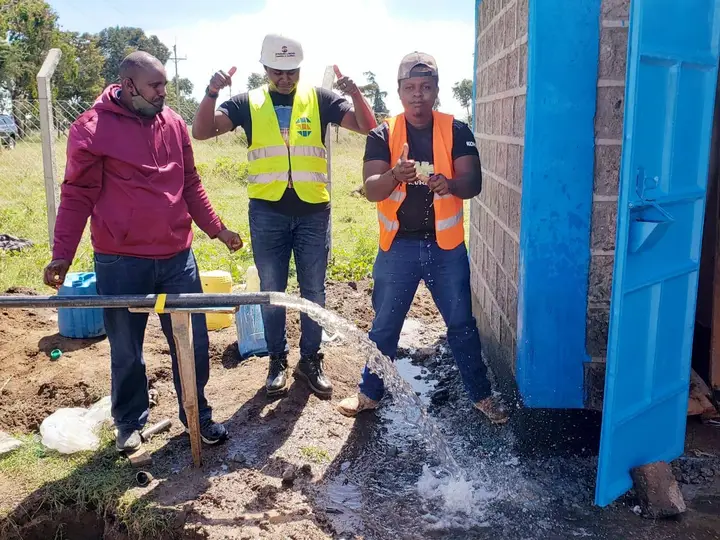
Our WASH work in Isiolo
Water flowing at the outlet. Containers being filled. People coming together at the water point. These photographs and short videos document scenes from our WASH work in Isiolo.
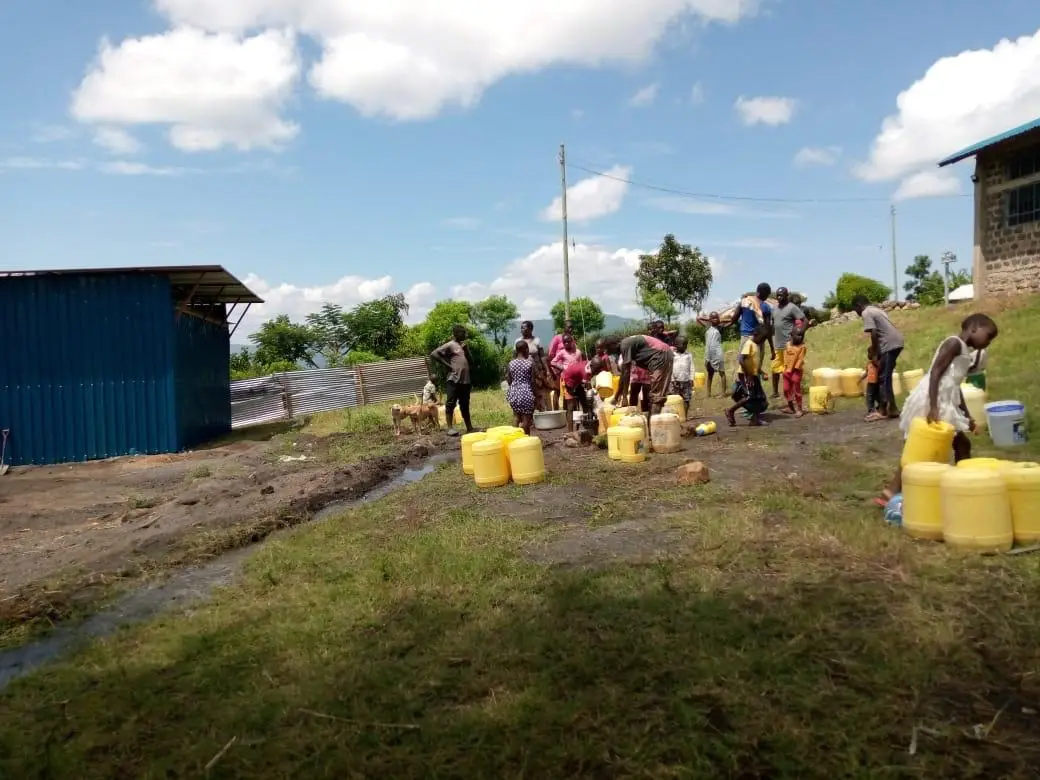
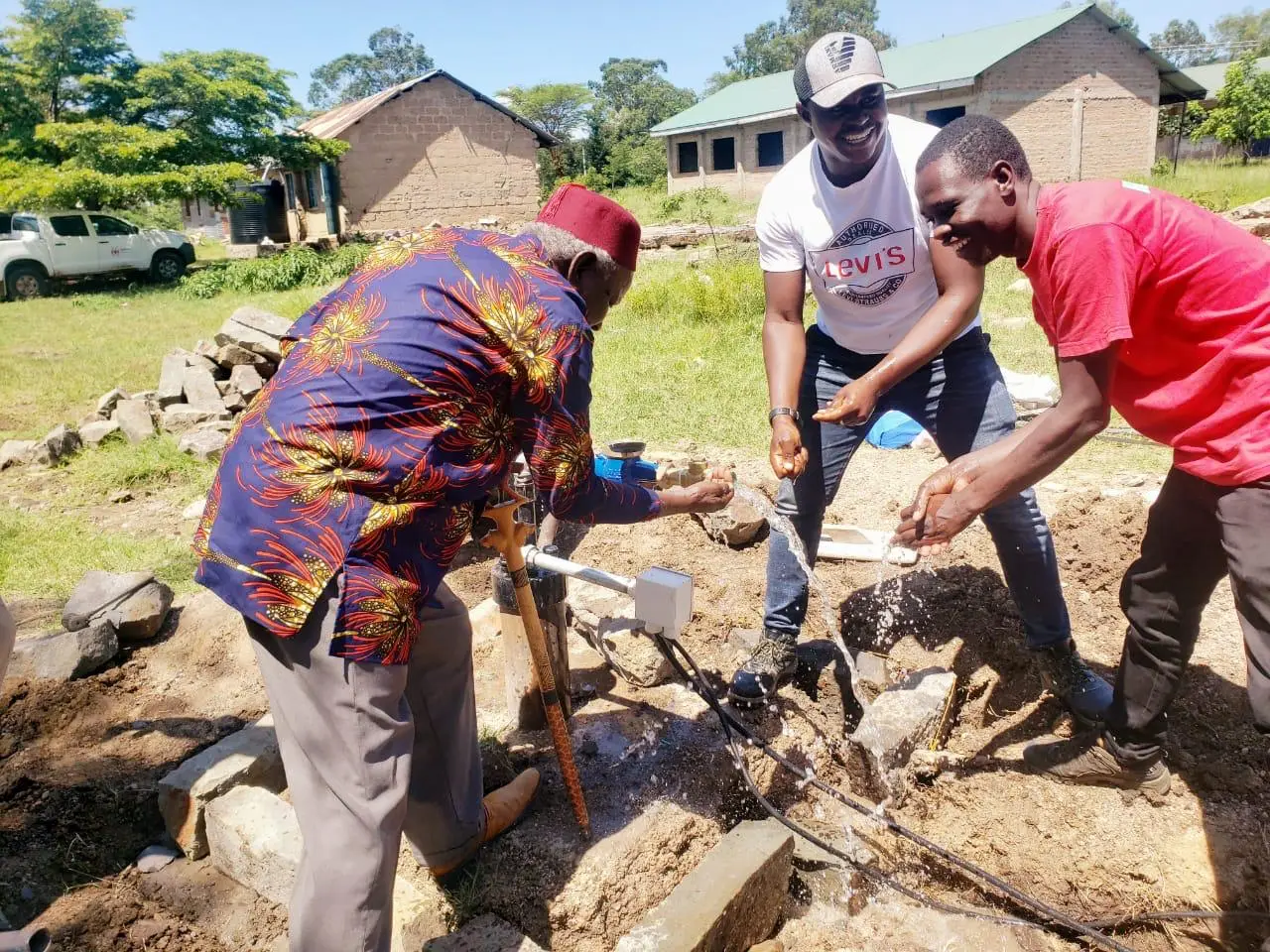
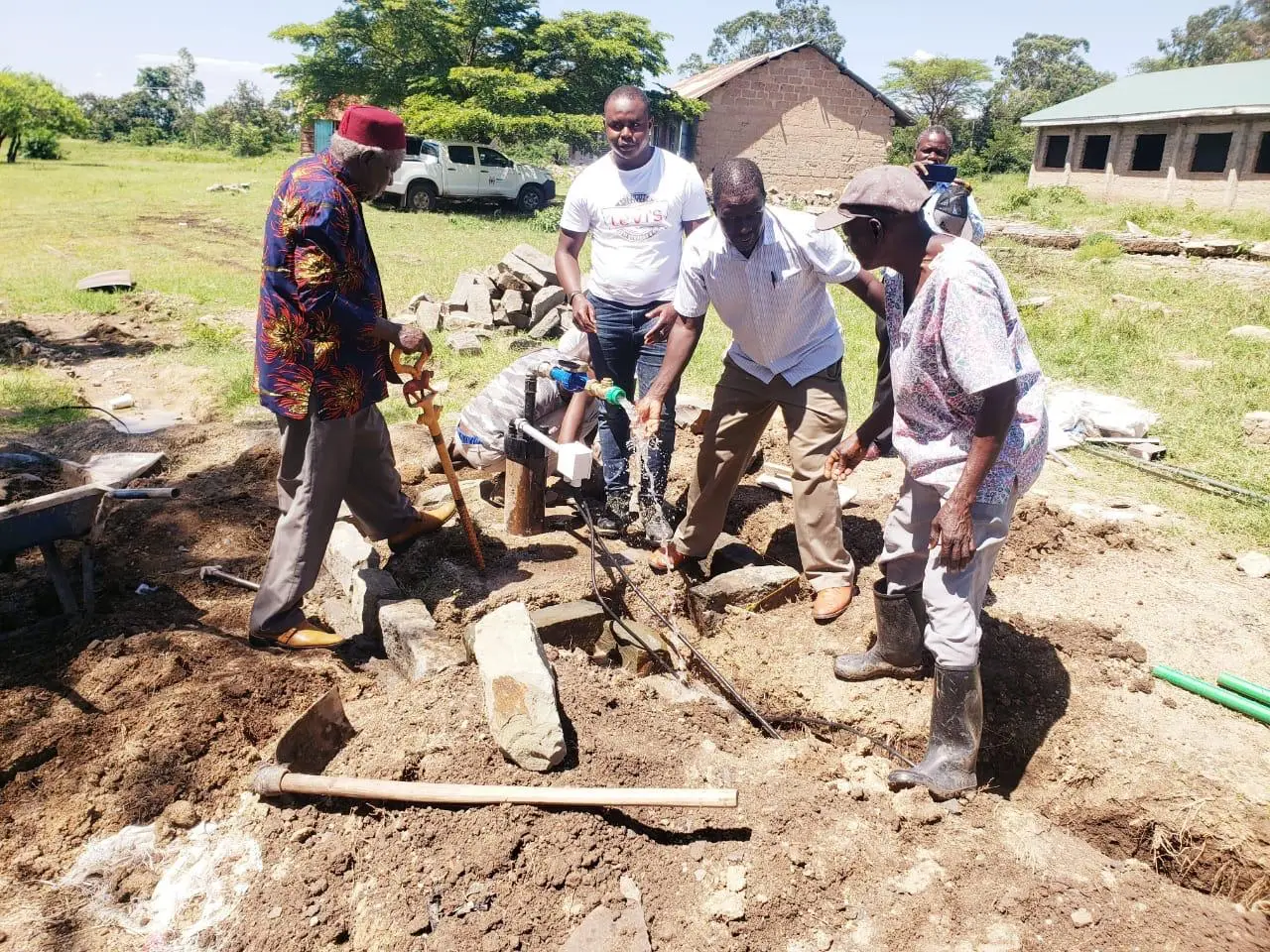
See the water point in use
Original footage from Isiolo. Choose a clip to play; videos do not download automatically.
From field documentation to lasting results
These images record activity at the water point. Our results framework also calls for follow-up evidence on reliability, water quality and sustained access to understand the longer-term outcomes.
Talk to us about WASH partnershipsA commitment to health and human dignity
We will pursue water and sanitation solutions that people can use safely, affordably and consistently. Our approach combines assessment of local needs with protection of water sources, water-quality monitoring, hygiene promotion and clear responsibilities for operation and maintenance.
We will prioritise underserved communities and institutional settings, including prisons, and consider the access, privacy and menstrual hygiene needs of women and girls, persons with disabilities and older people. Work in schools, health facilities and places of detention will be planned with the responsible authorities and service providers.
Our commitment extends beyond construction or rehabilitation. We will assess whether services remain functional, whether water safety risks are managed and whether people can use facilities with dignity. These are essential steps towards better health; claims of reduced illness will require follow-up evidence.
Start with the community and the evidence
Water access must be considered alongside quality, reliability, sanitation and everyday hygiene. Programme design will assess seasonal availability, contamination risks, affordability and physical access, so that an installed facility translates into a service people can depend on.
How we will put our commitment into practice
- Assess service gaps, source risks and access needs with users and responsible providers
- Support water-point rehabilitation and accessible sanitation and handwashing facilities
- Plan water safety checks, hygiene promotion and safe management of sanitation risks
- Agree maintenance, financing and accountability arrangements and review service reliability
Measure delivery, change and contribution separately
Intended outputs
Functional water and sanitation improvements, hygiene activities and documented maintenance and safety arrangements.
Intended outcomes
More consistent use of safe, accessible services and improved hygiene practices, verified through follow-up.
Long-term contribution
A contribution to reduced exposure to water- and sanitation-related disease, greater safety and improved well-being.
Evidence approach: Service functionality and downtime, water-quality results, accessibility, hygiene conditions and user experience. Reported access will be distinguished from verified safe service.
Each project framework connects conception and inception to inputs, activities and results, with assumptions, risks and feedback loops. Long-term impact is assessed through evidence, not inferred from completed activities.
Grounded in Kenya, informed by international commitments
Our plans support Kenya’s priorities for equitable, sustainable water services and safely managed sanitation, reflected in K-WASH and the National Sanitation Management Policy. Articles 42 and 43 of the Constitution provide the national rights foundation. WHO guidance on drinking-water quality and sanitation informs risk management, alongside the health and adequate-living-standard rights in the International Covenant on Economic, Social and Cultural Rights.
Read the policy and standards sources
- Kenya Ministry of Water: K-WASH priorities
- Kenya: National Sanitation Management Policy launch
- Constitution of Kenya: Articles 42 and 43
- WHO: drinking-water quality guidance
- WHO: Guidelines on sanitation and health
- OHCHR: Kenya’s human-rights treaty status
WHO guidance and the Nelson Mandela Rules are international guidance and standards; they are distinct from treaties to which Kenya is a party.
Listen, adapt and review
Our plans connect conception and inception with inputs, activities, outputs, outcomes and impact. Community feedback should inform decisions at every stage, with clear responsibilities and follow-up evidence.
Discuss our plans and partnerships